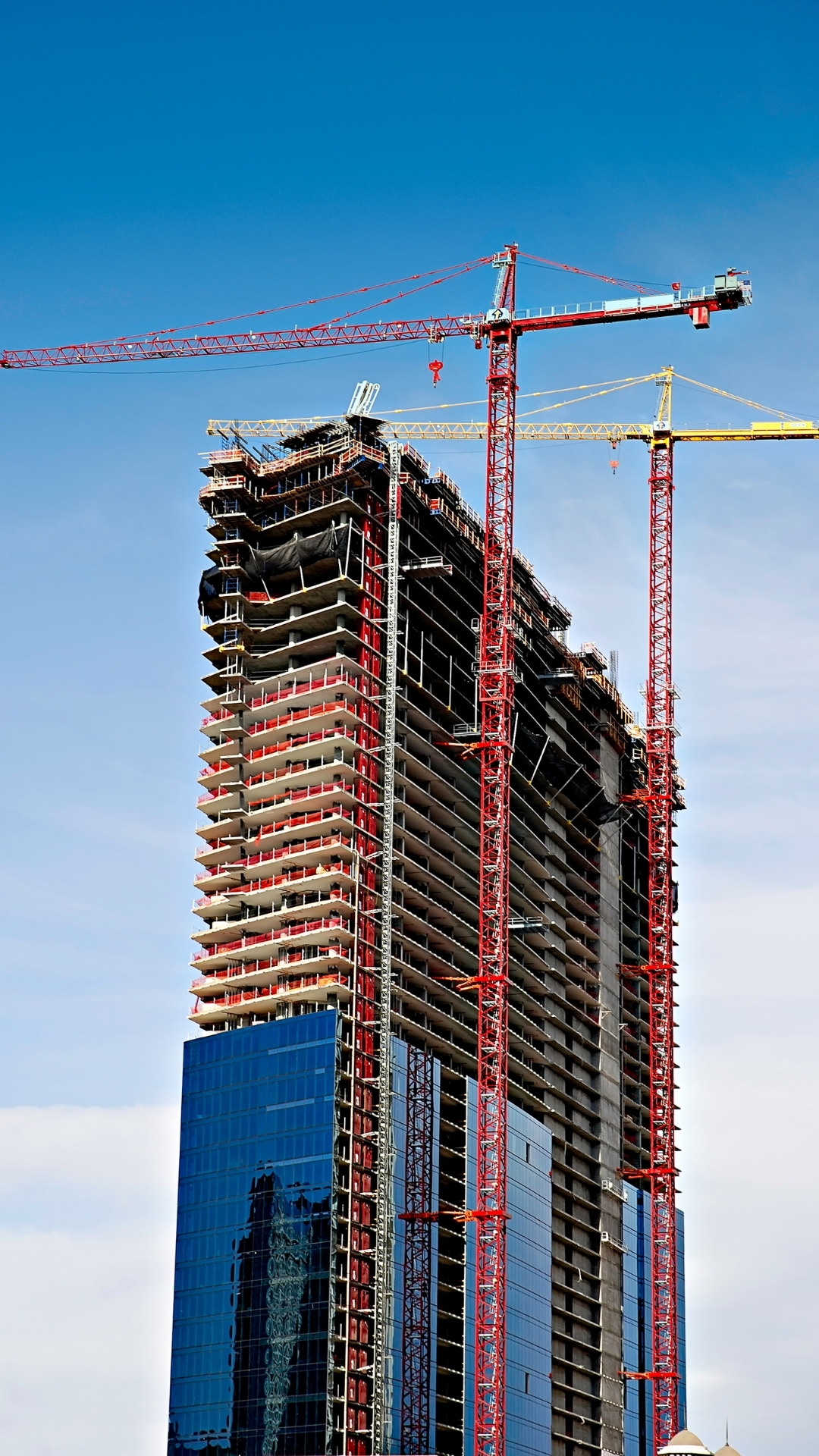
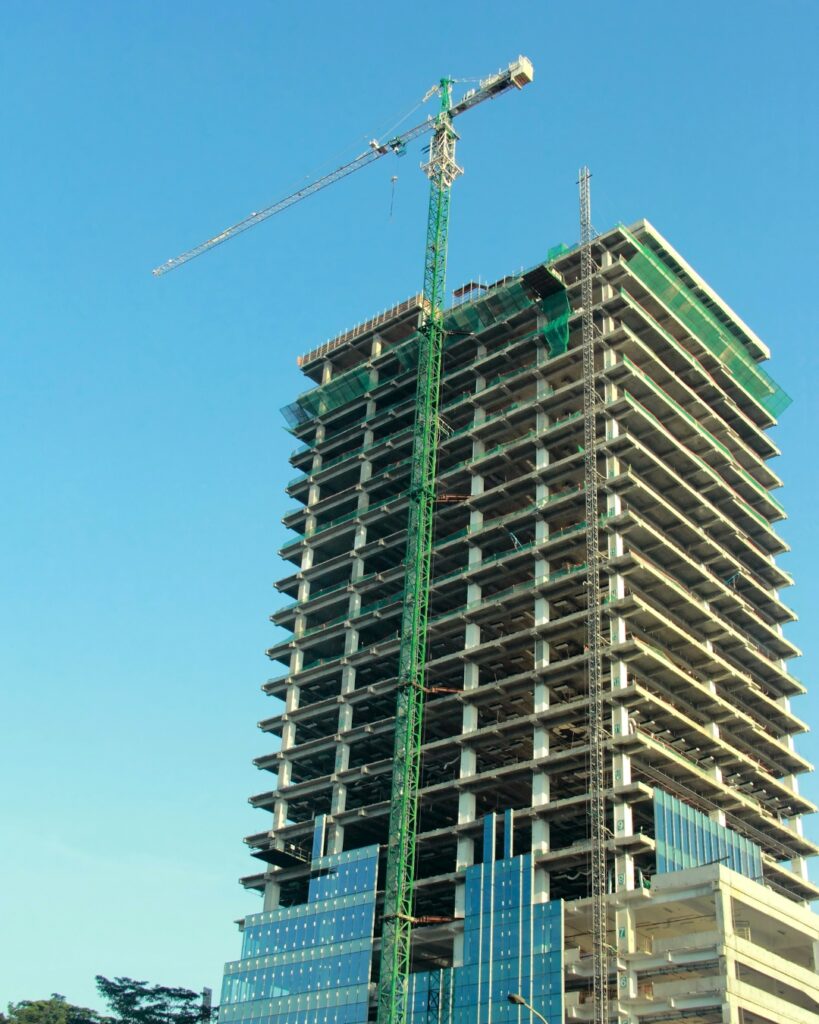
Over the past few years, the skylines of Indian cities like Mumbai, Bangalore, Hyderabad, and Gurgaon have transformed rapidly. One striking feature across these cities is the rise of sleek glass buildings with clean, frameless façades.
This trend is driven by structural glazing, now a preferred choice for modern commercial architecture in India. Buildings today aim to improve occupant comfort, productivity, and well-being — and glazing plays a major role in achieving that.
Premium, Modern Look
Frameless glazing instantly gives buildings a luxury, world-class finish.
It creates a clean, high-value appearance because there are:
- No bulky frames
- No visible joints
- Only smooth, continuous glass
This design makes any structure look more refined and visually striking.
Brings More Natural Light Indoors
Indian workplaces are shifting toward brighter, healthier, and more open environments. Frameless glazing allows maximum sunlight inside due to:
- Larger glass area
- No frame shadows
- Wider viewing angles
When combined with Dynamic Glazing (switchable/ intelligent glass), the glass automatically tints based on light conditions, enhancing visual comfort and reducing eye strain.
Energy Efficiency & Lower Running Costs
Structural glazing helps reduce energy consumption, especially cooling loads. Optimised G-value glass can significantly cut air-conditioning usage.
In India’s rising temperatures, energy-efficient façades are essential, not optional.
Better glazing = lower AC bills + improved comfort.
Boosts Building Value
High-quality glazing supports green building certifications like:
- IGBC / LEED
- GRIHA (TERI)
- BEE Star Ratings
Certified buildings attract higher rents and better occupancy, as tenants prefer sustainable and comfortable environments.
Enhanced Thermal Comfort
Advanced glazing provides strong solar control and adapts quickly to changing light conditions, maintaining a comfortable indoor temperature throughout the day.
Improved Aesthetics
High-level glazing:
- Enhances building appearance
- Improves natural lighting
- Creates a welcoming environment
This leaves a strong first impression on clients, visitors, and employees.
Design Flexibility (Not Just Flat Glass Walls)
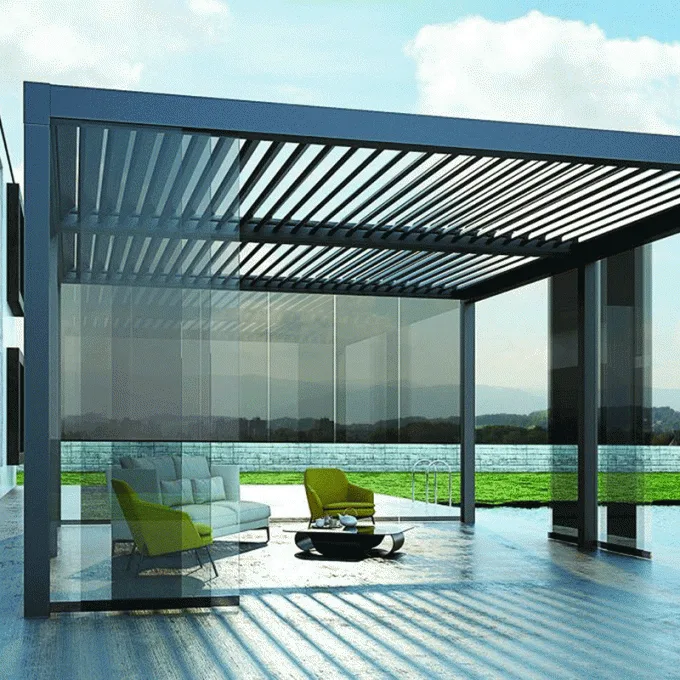
Structural glazing supports a wide range of architectural creativity:
- Curved façades
- Spider glazing
- Canopies
- Atriums
- Skylights
- Corner glazing
- Entrance façades
This flexibility makes it a favourite among architects for futuristic commercial projects.
Noise Reduction
Glazing provides excellent acoustic insulation.
In busy Indian cities, it helps maintain a quieter, more peaceful indoor workspace.
Durability & Low Maintenance
High-level glazing is long-lasting and requires minimal care.
Regular cleaning and periodic inspections are usually enough to keep it performing well.
Installation Process
The installation begins with:
- A detailed assessment of building needs.
- Selection of the right glazing based on climate, orientation, and aesthetics.
- Professional installation to ensure safety, durability, and optimal performance.
Where It’s Commonly Used
Frameless structural glazing is now standard in:
- IT parks
- Corporate offices
- Shopping malls
- Commercial complexes
- Hotels & hospitals
- High-rise towers
- Airports & metro stations
From Hyderabad’s Financial District to Gurgaon’s Cyber Hub, glazing defines the modern Indian skyline.
Conclusion
High-level window glazing offers major benefits:
- Energy efficiency
- Cost savings
- Better comfort
- Higher building value
- Stunning aesthetics
At Vedicon Infrastructure, we deliver advanced glazing systems that meet top performance and quality standards. Investing in modern glazing is both a financially smart decision and a step toward a sustainable, comfortable, and future-ready workspace.