Environment
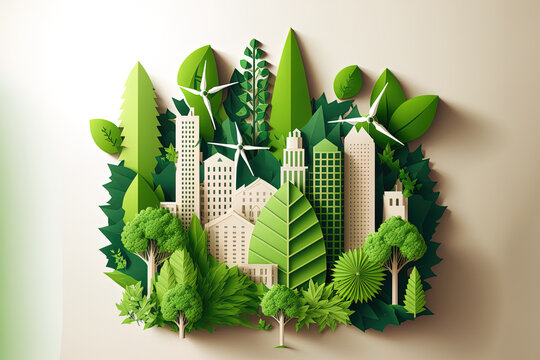
We continue to offer services and infrastructure that address challenges such as climate and energy transition, water footprint management, and biodiversity loss, creating long-term value.
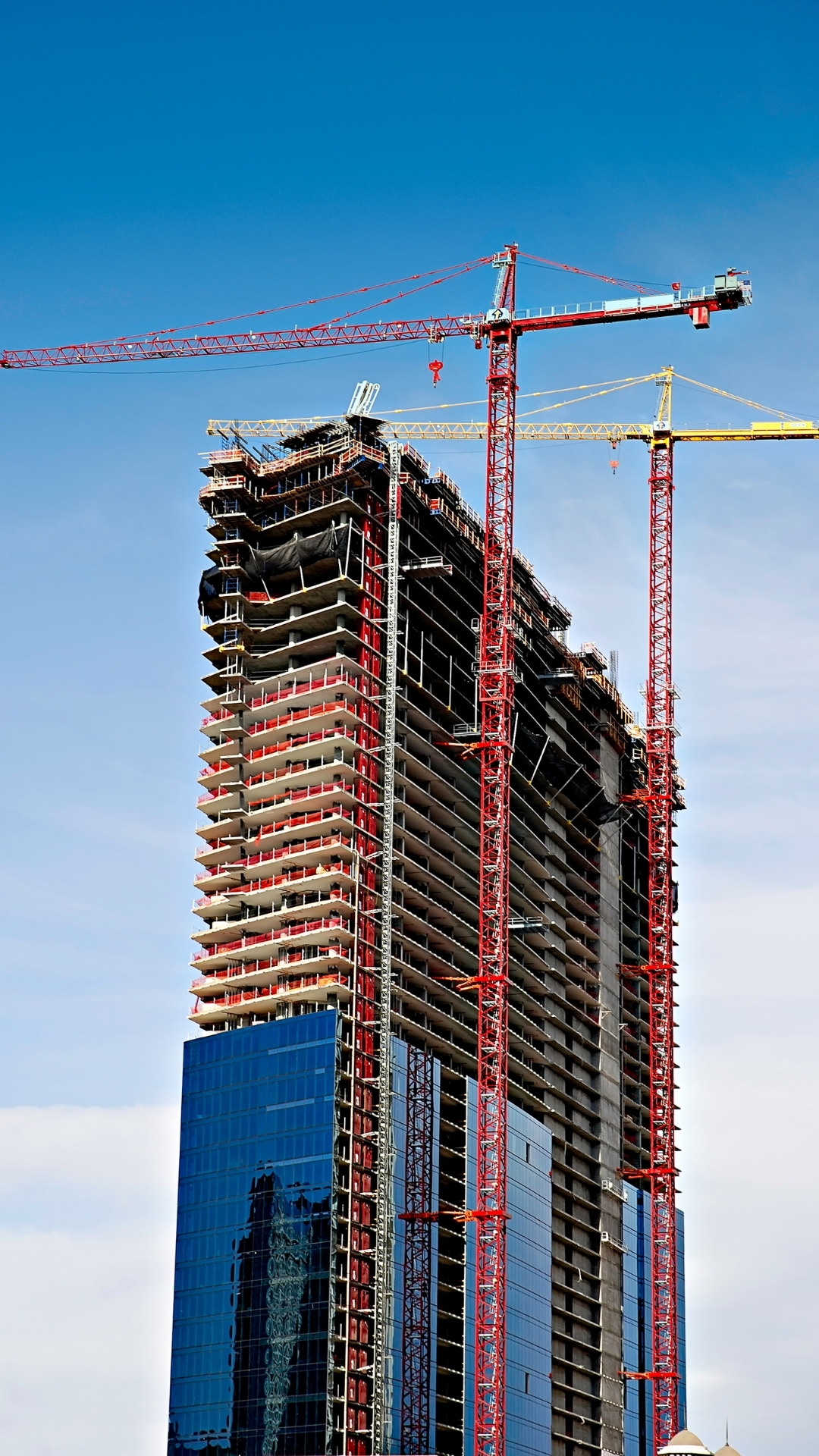
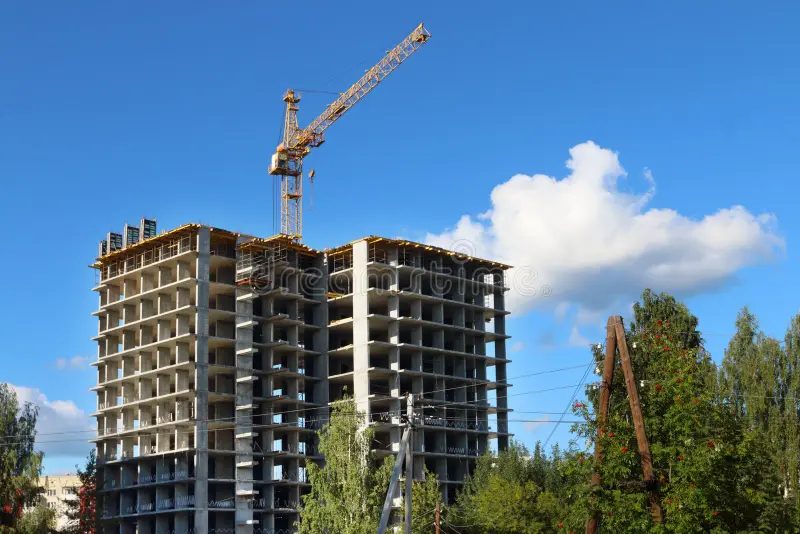
The construction industry worldwide has a significant impact on the environment, making sustainability an essential focus in modern development. From the use of natural resources to energy consumption and waste generation, construction activities have a direct impact on the ecological balance.
We are aware of our responsibility in this process and therefore firmly commit to the reduction of our emissions and the environmental impact of our activities. We also promote the generation of new ideas and business models to offer our customers and users innovative solutions with less impact.
Our strategy contemplates the risks and opportunities detected in each activity, which has two fundamental objectives:
- Responsible environmental impacts that occur in our activities, from an eminently preventiveperspective. That perspective includes the development of actions to reduce GHG emissions.
- The use of our capacities and knowledge in the development of infrastructures and servicesfor a low-emissions economy.
Emissions Avoided & Compensated
We have set the goal of achieving climate neutrality by 2050 by lowering emissions and voluntarily offsetting emissions that cannot be reduced. The latter is done by neutralization in reforestation and mitigation projects outside the value chain. In the short term, by 2030, the company plans to offset 20% of its direct emissions, increasing on nature-based solutions and prioritizing projects in areas where it has operations.
Water Policies
We recognize that water is a limited, non-renewable, natural resource that is directly related to global change and is a necessary, fundamental element in the circular economy.
In our role as a consumer and provider of services associated with water resources, we encourage the following principles among all of our stakeholders.
Principles
- Compliance with current legislation and regulations on water, as well as with specifications by international reference standards and those established internally by the organization, directing management toward the highest quality standards
- Support in developing regulatory frameworks geared toward efficient, sustainable water usage
- Responsible, efficient management of this resource, paying attention to every part of its full cycle, thus favoring social development and conservation of ecosystems
- Seeking solutions to the growing demand for drinking water and quality deterioration due to pollution
Biodiversity
The organization has a Biodiversity Policy integrated into the management system that governs the organizational and operational processes of all its contracts. This policy aims to define and establish the principles and criteria that govern the actions regarding biodiversity in the company’s activities, partners and in the value chain. This standard articulates the organisation’s principles on:
- Conservation and protection of species and natural ecosystems.
- Application of hierarchical criteria to mitigate negative impacts.
- Responsible use of natural resources.
- Combating deforestation.
- Application of nature-based solutions.
- Integration of natural capital in risk management.
- “No net loss”, working towards the achievement of “net positive impact”.
Commitments
We follow the principle of “no net loss” of biodiversity as a guideline to mitigate and offset the negative impacts of our activities. In line with this, we are committed to:
- Seek the net positive impact of the business and enhance the recovery of biodiversity and natural capital.
- To focus on nature-based processes and solutions that contribute to the ecological transition.
Circular Economy
As a sign of these business commitments, we approved our first Circular Economy Plan, maintaining our determination to offer services and infrastructures that:
- Increase waste reuse and recycling.
- Promote efficient use of materials, as well as the use of recycled materials.
- Help manage the water footprint more efficiently.
- Advance economic decarbonization to help find a way out of the energy crisis.
- Contribute to reducing our environmental impact and that of our users and customers.
To this end, we are working to incorporate the principles of the circular economy into all our processes, products and services.
For us, environmentally responsible construction isn’t just about meeting regulations—it’s about creating lasting structures that respect the planet and enhance the quality of life for communities in Delhi and beyond.
Feel Free to Connect with Us Anytime
Vedicon Infrastructure, building modern residential complexes to state-of-the-art commercial structures, we design and build spaces that inspire. Our projects focus on functionality, sustainability, and aesthetic appeal.
Commitment
We are committed to delivering reliable construction solutions with transparency, quality, and on-time execution.
Planning a construction project?
Fill out the form and connect with Vedicon Infrastructure. Our team will review your requirements and get back to you.